Broken & Frozen Pipe Repair in the Mountains
Freeze bursts, soil-shift breaks and root damage, found fast and fixed right, then protected so it doesn't happen again.
First, stop the water
Know where your main shut-off valve is before you need it. In a burst, shut it off immediately, then call (909) 338-1229. If water is near electrical panels or outlets, stay clear and tell us on the call.
Why mountain pipes break
Outside & underground
- Shifting and settling soil. Mountain ground moves and rigid pipe doesn't.
- Root intrusion. Pine and cedar roots crack clay and cast iron.
- Earthquakes and tremors shear rigid joints.
- Corrosion. Galvanized steel rusts from the inside out.
- Digging damage from landscaping and construction.
Inside the house
- Freezing. Water expands, copper splits, and the flood starts at the thaw.
- Nails and screws driven into walls during remodels.
- Rodents chewing PEX and plastic in attics and crawl spaces.
- High water pressure stressing old joints.
- Heater failure in winter, which can freeze a whole cabin's plumbing.
Repair or repipe?
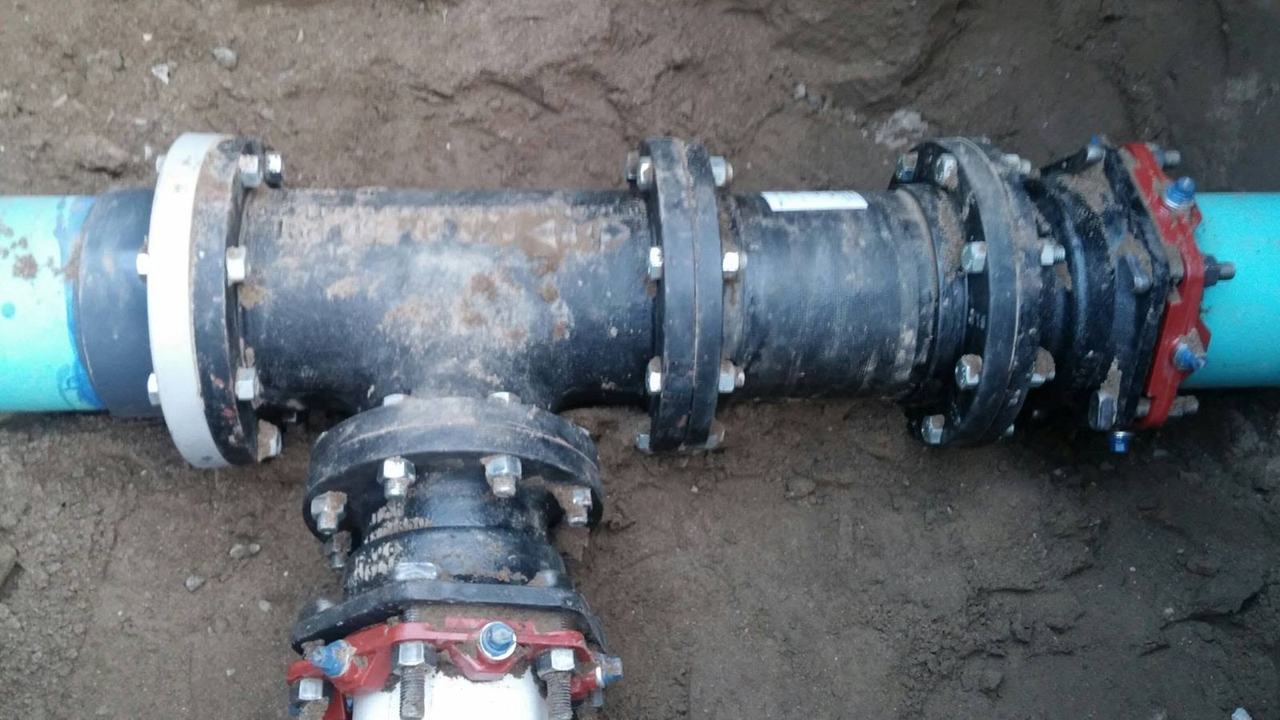
A single burst in a sound system gets a clean repair. But if an old galvanized system keeps springing leaks in different spots, each emergency call is money toward the repipe you'll eventually need. We'll show you both options honestly and let you decide.
Prevent the next one
Insulate exposed runs, add heat tape in freeze-prone crawl spaces, and keep the thermostat at 55°F or higher in winter, even in an empty cabin. Replace seized shut-off valves while they're easy to reach, not during a flood. Fix leaks right away. They almost never get better, and they get more expensive after hours and with mold.
Frequently asked questions
What causes pipes to break in mountain homes?
Freezing is the most common cause, followed by shifting soil, root intrusion, earthquakes, rodent damage, corrosion in old galvanized lines, and nail or screw damage inside walls.
How do I know a pipe broke inside a wall?
Watch for water stains, bubbling paint, the sound of running water when nothing is on, a sudden drop in pressure, or a water bill that jumps for no reason.
Should I repair or repipe?
One isolated burst in an otherwise sound system: repair it. Repeated leaks across an old galvanized or polybutylene system: a repipe is usually the better long-term value.
Will insurance cover a burst pipe?
Many homeowner policies cover sudden bursts but not slow leaks or wear. Photograph the damage before cleanup and call your insurer early.